Discover Lab Grown Diamond Jewelry
Why Synthetic Diamond Rings Are Gaining Popularity in the Jewelry Market
Artificial diamond rings are gradually becoming the go-to choice for consumers within the jewelry sector. Their ethical sourcing and affordability resonate with a growing number of buyers. Moreover, advancements in technology have blurred the lines between lab-created and natural diamonds. As understanding of the environmental consequences of diamond mining grows, the attractiveness of these manufactured substitutes steadily broadens. What factors are driving this shift in consumer preferences?
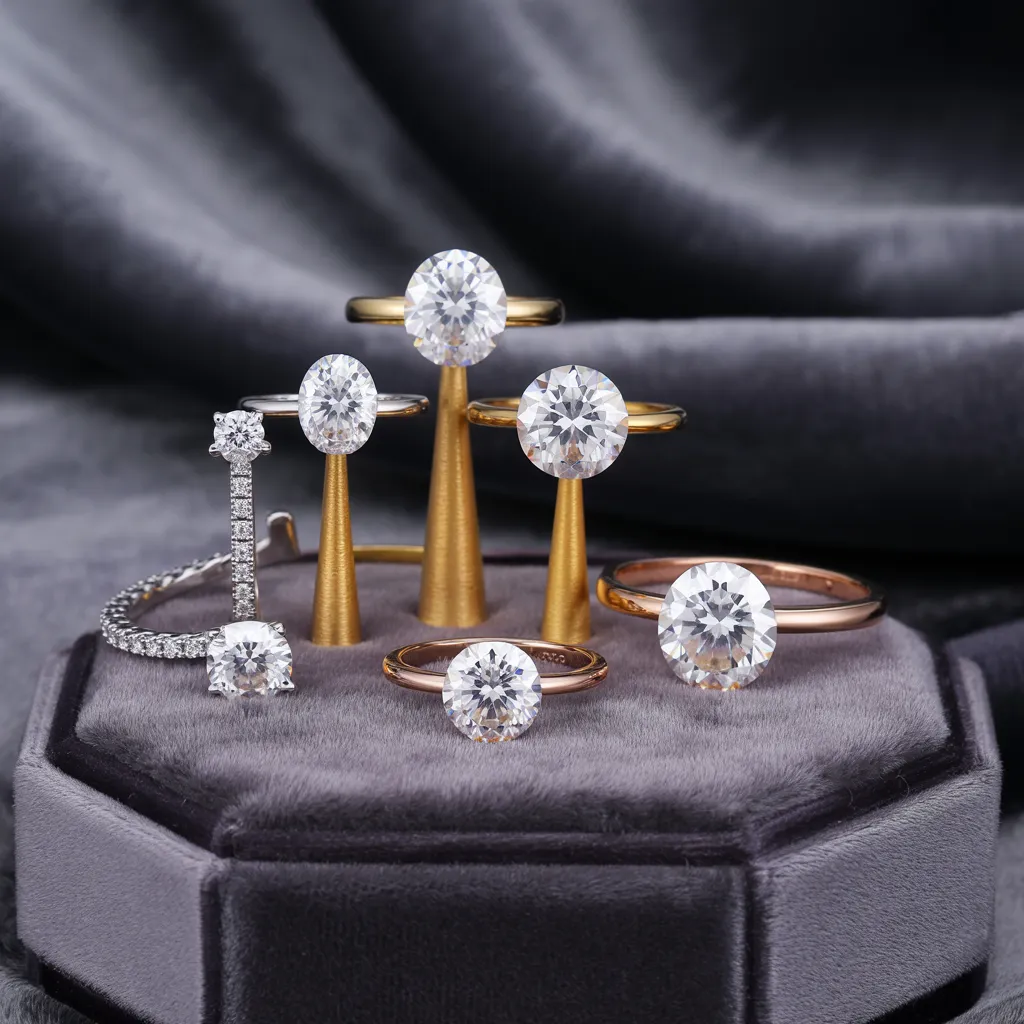
The Moral Attraction of Lab-Grown Diamonds
As shoppers more and more focus on ethical aspects when making purchases, synthetic diamonds have emerged as a compelling alternative to mined stones. These lab-created gems provide a solution to the ethical dilemmas connected to traditional diamond mining, which often involves environmental degradation and human rights violations. The production of synthetic diamonds substantially lowers the carbon footprint compared to their mined counterparts, resonating with environmentally conscious buyers. Furthermore, the transparency in sourcing and manufacturing processes builds trust among consumers who wish to make responsible choices. By opting for synthetic diamonds, individuals synchronize their values with their purchasing power, promoting sustainability and ethical labor practices. This expanding awareness and commitment to ethical consumption add to the rising popularity of synthetic diamond rings in the jewelry market.

Cost-Effectiveness: A Budget-Friendly Solution
Man-made diamond rings present budget-friendly pricing alternatives that make them attainable for a larger demographic. This economic advantage not only enables a stunning alternative at a decreased price but also provides the prospect of preserving worth over time. As buyers grow more financially aware, lab-created diamonds progressively surface as a sensible option in the jewelry industry.
Economical Rate Choices
As numerous couples search for beautiful engagement rings while staying within budget, affordable pricing options for synthetic diamond rings have appeared as a popular solution. These lab-created gems typically cost 20-40% less than their natural counterparts, making them accessible to a larger array of budgets. The price advantage stems from lower production costs and reduced mining expenses, allowing consumers to invest in larger or higher-quality stones without financial strain. This affordability has made synthetic diamonds an enticing selection for millennials and first-time buyers who prioritize both aesthetics and budget. Therefore, the jewelry market has observed a shift, with more couples embracing these cost-effective alternatives without diminishing beauty or style.
Retention of Value Potential
The potential for value retention plays a crucial part in the decision-making process for several consumers evaluating synthetic diamond rings. In contrast to natural diamonds, which can fluctuate considerably in resale value, synthetic diamonds typically possess more consistent pricing structures. This predictability stems from their controlled production and the capability to manufacture them in diverse qualities and sizes. Consequently, consumers often view synthetic diamonds as a economical choice that offers similar aesthetic appeal without the premium price tag. Furthermore, the lower initial investment can lead to less financial stress, enabling buyers to emphasize other aspects of their purchase, such as design or setting. Eventually, the value retention potential of synthetic diamond rings enhances their examination increasing appeal in the jewelry market.
Advanced Technology in Diamond Synthesis
Progress in technology have changed the system of diamond production, making it increasingly efficient and available than ever before. Processes such as High Pressure High Temperature (HPHT) and Chemical Vapor Deposition (CVD) have developed as leading methods for manufacturing synthetic diamonds. HPHT replicates the natural conditions under which diamonds form, while CVD facilitates the growth of diamonds from a gas phase, providing greater control over quality and size. These innovations have dramatically reduced production expenses and periods, enabling manufacturers to produce diamonds that are virtually indistinguishable from their mined counterparts. As a result, the quality of synthetic diamonds has increased, appealing to consumers pursuing both affordability and sustainability without reducing on aesthetic appeal.
The Environmental Influence of Synthetic Gems
The rise of synthetic diamonds has not only revolutionized the jewelry market but also raised critical questions about their environmental impact. Unlike traditional diamond mining, which often results in significant ecological disruption, lab-created gems require significantly fewer natural resources. The process of creating synthetic diamonds typically uses less water and emits fewer greenhouse gases. Additionally, there is no risk of habitat destruction or pollution associated with mining operations. However, the energy consumption of production facilities must be evaluated, as it can vary considerably depending on the source of energy used. Overall, lab-created diamonds present a more sustainable alternative, appealing to environmentally conscious consumers seeking to minimize their ecological footprint while enjoying the beauty of fine jewelry.
Changing Attitudes: Recognition in Society
As modern society places growing emphasis on sustainability and ethical consumption, perceptions of synthetic diamond rings are changing dramatically. Originally met with doubt and associated with substandard craftsmanship, these lab-created gems are now being embraced for their environmental benefits and ethical sourcing. The stigma surrounding synthetic diamonds is decreasing as more consumers realize their indistinguishable appearance from mined stones. This evolution is largely propelled by younger generations who value transparency and responsibility in their purchasing decisions. Social media and celebrity endorsements further amplify this acceptance, showcasing synthetic diamonds as a fashionable and conscientious choice. As a result, the jewelry market is experiencing a transformative shift, with synthetic rings earning recognition and acceptance among discerning consumers seeking both beauty and integrity in their purchases.
Customization and Variety in Designs
As acceptance of synthetic diamond rings, buyers are now discovering a wider range of customization options and design varieties. Contrary to traditional diamonds, synthetic diamonds can be generated in multiple colors, sizes, and shapes, serving individual preferences. This flexibility allows customers to create unique pieces that reflect unique style and significance. Jewelers are also adopting innovative settings and materials, combining alternative metals and intricate designs that enrich the overall aesthetic. Furthermore, the ability to personalize engravings and other details further enhances the customization experience. As a result, synthetic diamond rings not only meet the quest for beauty but also offer a canvas for self-expression, making them continually more appealing to a diverse audience.
The Jewelry Industry's Future with Synthetic Diamonds
While the jewelry industry has traditionally been associated with natural diamonds, the growth of synthetic diamonds signals a transformative shift toward environmentally responsible and ethical practices. As consumers turn more environmentally conscious, synthetic diamonds present a compelling alternative, created with a considerably lower carbon footprint. The future of synthetic diamonds in the jewelry industry appears promising, with innovations in technology improving their quality and appeal. Retailers are steadily embracing these lab-grown stones, providing diverse options that cater to various tastes and budgets. Additionally, as awareness of the ethical issues surrounding mined diamonds expands, synthetic diamonds are likely to secure further acceptance. This shift not only demonstrates changing consumer values but also indicates a broader trend towards responsible luxury in the market.
Frequently Asked Questions
How Do Lab-Created Diamonds Compare to Natural Diamonds in Quality?
Synthetic diamonds often exhibit comparable quality to natural diamonds, featuring identical physical and chemical properties. Both types can achieve similar clarity, cut, and color, though synthetic diamonds typically offer a more affordable price point without sacrificing quality.
Are There Specific Brands Known for High-Quality Synthetic Diamonds?
Numerous brands, including Brilliant Earth, MiaDonna, and Clean Origin, are acknowledged for their top-quality synthetic diamonds. These firms emphasize ethical sourcing, superior craftsmanship, and reasonable pricing, appealing to consumers searching for alternatives to traditional natural diamonds.
What Certifications Can Synthetic Diamonds Receive?
Lab-created diamonds may be certified by multiple organizations, like the Gemological Institute of America (GIA), International Gemological Institute (IGI), and the Gem Certification and Assurance Lab (GCAL), guaranteeing quality and authenticity for consumers.
Are Synthetic Diamonds Be Resized or Repaired Similarly to Natural Diamonds?
Lab-grown diamonds can be resized or repaired in the same way as natural diamonds, as they have the same chemical and physical properties. Jewelers usually use standard methods for both types, ensuring quality and structural integrity during the work.
How Can Synthetic Diamonds Influence Traditional Diamond Mining Communities?
Man-made diamonds can detrimentally influence traditional diamond mining communities by reducing demand for mined diamonds, conceivably leading to job losses and economic downturn in these areas. On the other hand, they may also promote diversification and alternative economic opportunities.